Shoe Molding Installation in Wilmington, NC
Shoe molding installation involves adding a narrow strip of trim along the base of interior walls where they meet the floor. This decorative and functional finishing touch helps conceal gaps between flooring and wall surfaces, providing a polished look to rooms such as living areas, hallways, and bedrooms. Projects typically include replacing existing shoe molding, upgrading to new styles, or adding it during renovations to enhance the overall appearance of a space. Property owners usually want to understand the types of materials available, the variety of molding profiles, and how the installation process can improve the aesthetic and cleanliness of their interiors.
Before requesting shoe molding installation, homeowners often consider the style and finish that best complements their decor, as well as the scope of work needed for their specific space. It's helpful to clarify whether existing moldings need removal or if new moldings will be added to new construction. Property owners may also want to inquire about the durability of different materials, such as wood or composite options, and how the installation will be integrated with other trim or flooring updates. Clear understanding of these factors can ensure the project meets aesthetic preferences and functional needs.
Many property owners in Wilmington, NC look into Shoe Molding Installation for repairs, replacements, upgrades, and appearance-related improvements.

Enhancing Interior Transitions
Shoe molding provides a clean finish where floors meet walls, protecting baseboards from damage.
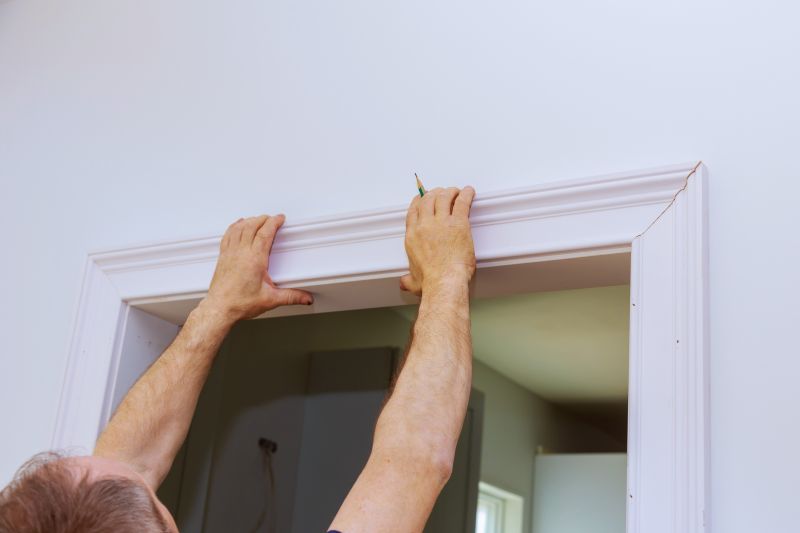
Custom Finishing Touches
Installing shoe molding can add a polished look to living rooms, hallways, and entryways in wilmington homes.

Protecting Wall Edges
Proper shoe molding installation helps prevent scuffs and chips along wall bases in high-traffic areas.
Shoe Molding Installation in Wilmington, NC
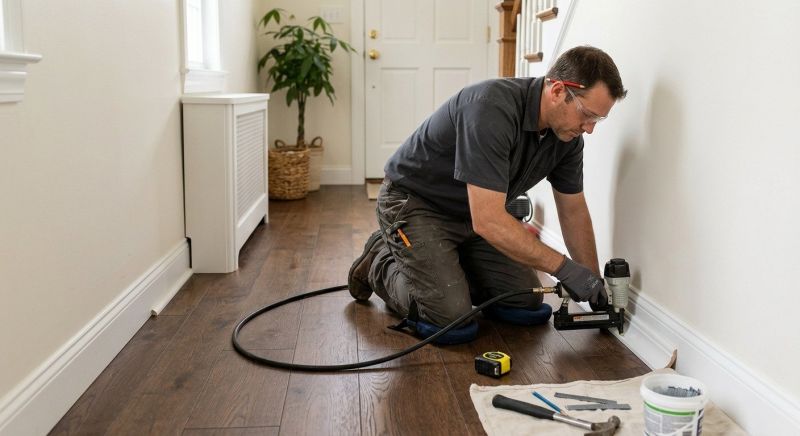
Shoe molding installation involves adding a narrow strip of trim along the base of interior walls where they meet the floor. This decorative and functional finishing touch helps conceal gaps between flooring and wall surfaces, providing a polished look to rooms such as living areas, hallways, and bedrooms. Projects typically include replacing existing shoe molding, upgrading to new styles, or adding it during renovations to enhance the overall appearance of a space. Property owners usually want to understand the types of materials available, the variety of molding profiles, and how the installation process can improve the aesthetic and cleanliness of their interiors.
Before requesting shoe molding installation, homeowners often consider the style and finish that best complements their decor, as well as the scope of work needed for their specific space. It's helpful to clarify whether existing moldings need removal or if new moldings will be added to new construction. Property owners may also want to inquire about the durability of different materials, such as wood or composite options, and how the installation will be integrated with other trim or flooring updates. Clear understanding of these factors can ensure the project meets aesthetic preferences and functional needs.
Many property owners in Wilmington, NC look into Shoe Molding Installation for repairs, replacements, upgrades, and appearance-related improvements.
Common Shoe Molding Installation Jobs
Shoe Molding Installation - adds a finished look to baseboards and wall transitions.
Room renovations - enhances the appearance of new flooring and wall finishes.
Damage concealment - covers gaps or imperfections at the base of walls.
Custom trim fitting - ensures a seamless fit around doorways and corners.
Style upgrades - updates the interior decor with modern or traditional molding options.
Property maintenance - preserves the aesthetic appeal of interior spaces over time.


Shoe Molding Installation Questions
What is shoe molding used for? Shoe molding covers gaps between baseboards and flooring, providing a finished look and protecting edges from damage.
Can shoe molding be installed on existing baseboards? Yes, shoe molding can be added to existing baseboards to enhance the appearance and conceal gaps.
What types of flooring work best with shoe molding? Shoe molding works well with hardwood, laminate, tile, and other hard surface flooring types.
Is shoe molding suitable for all room types? It is commonly used in living rooms, hallways, bedrooms, and other areas with baseboard trim.
Request Shoe Molding Installation in Wilmington, NC
Use the quote form on this page to share the basics of your project and request more information for the type of work you need.